Editorial: For our vets, the battle continues
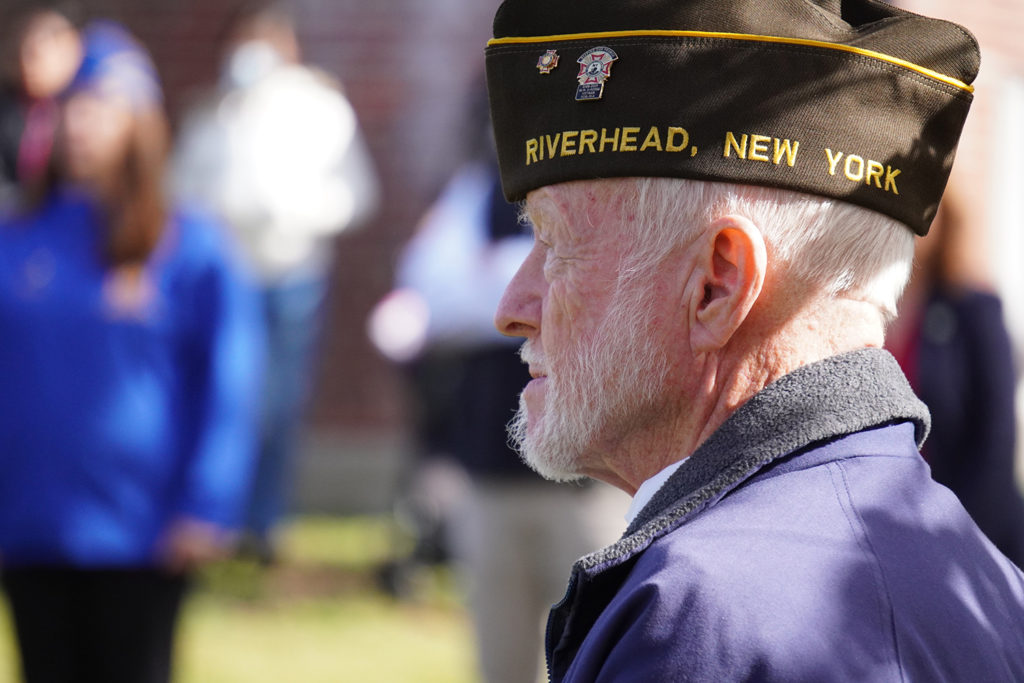
This past Tuesday, Nov. 11, was Veterans Day. It has many of us remembering those who have served and are serving our country.
Veterans are in the news for many good reasons, including the number who ran this year for public office, a spike in veteran candidates that, along with 2023, hasn’t been seen since the end of World War II.
But other news of those who volunteered to serve our country is not good at all, with suicide and drug overdoses — as well as alcohol abuse — continuing to be some of the most common killers of veterans. Homelessness among veterans and those living in poverty is a national disgrace.
It’s clear the battle for many vets doesn’t end with their service. Veterans experience a unique set of challenges, from deployment and combat to the often difficult process of reintegrating into civilian life after leaving the military — all of which can have significant and long-lasting effects on their mental health and well-being.
Research by National Veterans Homeless Support turned up the fact that mental illness in veterans is higher than the national average — affecting one in four. “In particular, mental health disorders such as depression, anxiety, traumatic brain injury and post-traumatic stress disorder are known to be common among veterans,” the NVHS found. “For veterans suffering from mental illness, the consequences can be dire. Mental illness may cause veterans to feel isolated or lonely or may affect their ability to hold a steady job. Without a support system and stable employment, these individuals are then at a higher risk of homelessness and economic insecurity.”
And the folks at the top are not helping matters. The Guardian newspaper reported in August that “the Department of Veterans Affairs has lost thousands of health care professionals deemed ‘core’ to the system’s ability to function … The number of medical staff on hand to treat veterans has fallen every month since Donald Trump took office. The VA has experienced a net loss of 2,000 registered nurses since the start of this fiscal year, the data show, along with approximately 1,300 medical assistants, 1,100 nursing assistants and licensed practical nurses, 800 doctors, 500 social workers and 150 psychologists.
“The numbers are at odds with claims by the VA secretary, Doug Collins, that veterans’ health care would not be affected by an agency-wide reduction of 30,000 workers to be completed this year through a combination of attrition, a hiring freeze and deferred resignation programs.”
There has been some positive news, however, with the number of veterans experiencing homelessness dropping by 43% since 2011. In our state, according to Comptroller Thomas DiNapoli, the number of homeless vets dropped 83% between 2010 and 2022, going from 5,857 to 990. And nationally, the country saw an 11% decline in homelessness among veterans between 2020 and 2022, with the Veterans Administration noting that it’s the largest drop in homelessness among veterans in more than five years.
There are still grim numbers to confront. The National Alliance to End Homelessness has reported that more than 37,000 American vets were without homes to call their own.
Let’s hope that things continue to change for the better. And this week, and every week, remember those everywhere who served and are serving our country.