Editorial: The story of Thanksgiving
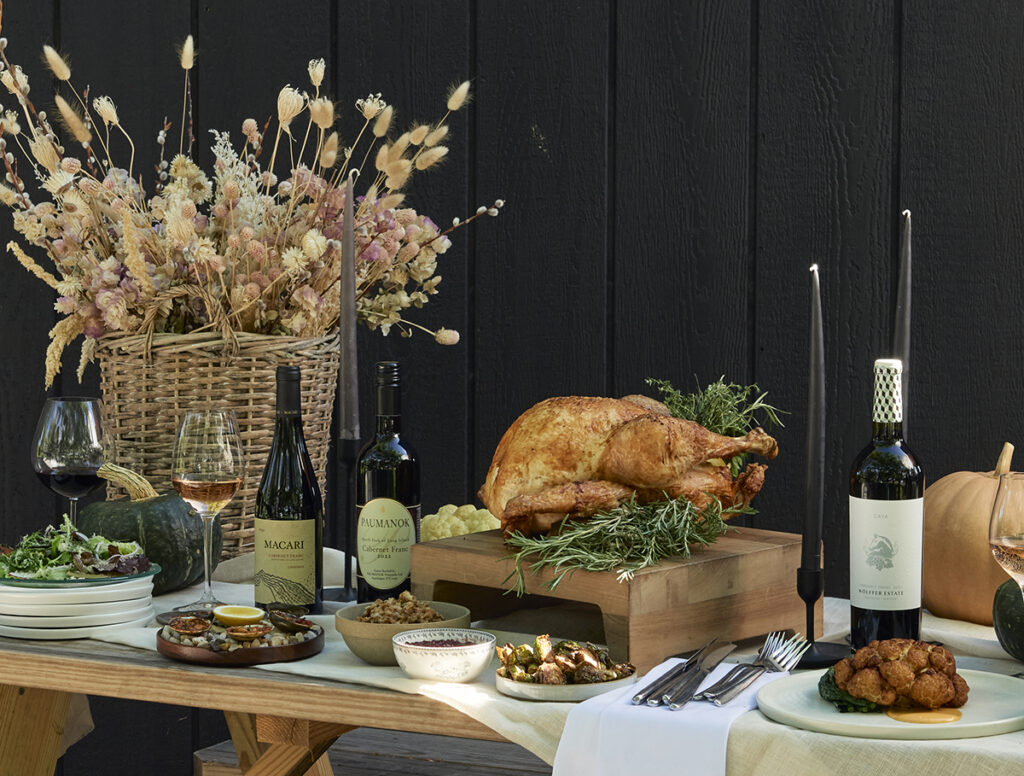
What is true about Thanksgiving and what is myth?
Of course, there’s nothing more true than the truth, but the myth is also true, if you take the old and, well, true meaning of the word. Myth in contemporary parlance means something false, whereas the original meaning is a story told to reveal a universal truth.
This parsing of language is appropriate as we celebrate one of the national holidays that has nothing to do with war or soldiers. It’s also not about individuals, like the birthdays of Lincoln and Washington, or remembering Martin Luther King Jr.; nor is it a day associated with religion, like Christmas.
This is where the power of myth surfaces. The stories handed down through generations — whether facts have been lost, obscured or tempered by time — reinforce what families and nations believe about the best part of themselves. And that best part of America is being grateful for what we have and sharing. Thanksgiving is the story every school child learns, passed down long ago, about the Native Americans, who besides teaching the Pilgrims to catch eels, also taught them to grow corn, and both communities sat down in peace and broke bread together.
We’re taught that we’re free, and we’re all equal, and so have a duty to give thanks.
The myth did grow out of actual facts, but it’s fairly certain the Pilgrims of Massachusetts didn’t just up and decide to hold the first Thanksgiving in 1621 and invite the Native Americans to dinner to thank them for their help in keeping their ’ community alive.
Early winter feasts giving thanks for a harvest that guaranteed survival and even comfort through the coldest months were common in Europe and America long before the Plymouth colony.
There might have been a roasted wild turkey or two at the Pilgrims’ dinner, but it wouldn’t have been the centerpiece. Venison and those eels would have taken that mouthwatering place, and pumpkin pie was likely not served. Cranberries would have been on the menu, but not as a relish.
What is certainly true about Thanksgiving is it’s a day every American knows is set aside to count blessings and remember an important element in the founding of our country.
People take what they will from the day. Arlo Guthrie hitched the holiday to the anti-war movement of the 1960s with “Alice’s Restaurant,” and Rush Limbaugh had his own tradition of retelling a story he dubbed, “The Real Story of Thanksgiving,” something about the battle between communism and the free enterprise system.
But, some facts: In 1863, Abraham Lincoln declared that our national day of Thanksgiving would be celebrated annually on the final Thursday of November. About a month after that proclamation, Lincoln spoke at the cemetery at Gettysburg, beginning his address by saying that we were a new nation “conceived in liberty, and dedicated to the proposition that all men are created equal.”
More than enough to be thankful for. Happy Thanksgiving to you and your families from all of us at Times Review Media Group.